
Gravel vs. Mulch: Pros and Cons for Arizona Landscaping
Compare gravel and mulch to determine the best option for your Arizona landscaping needs.
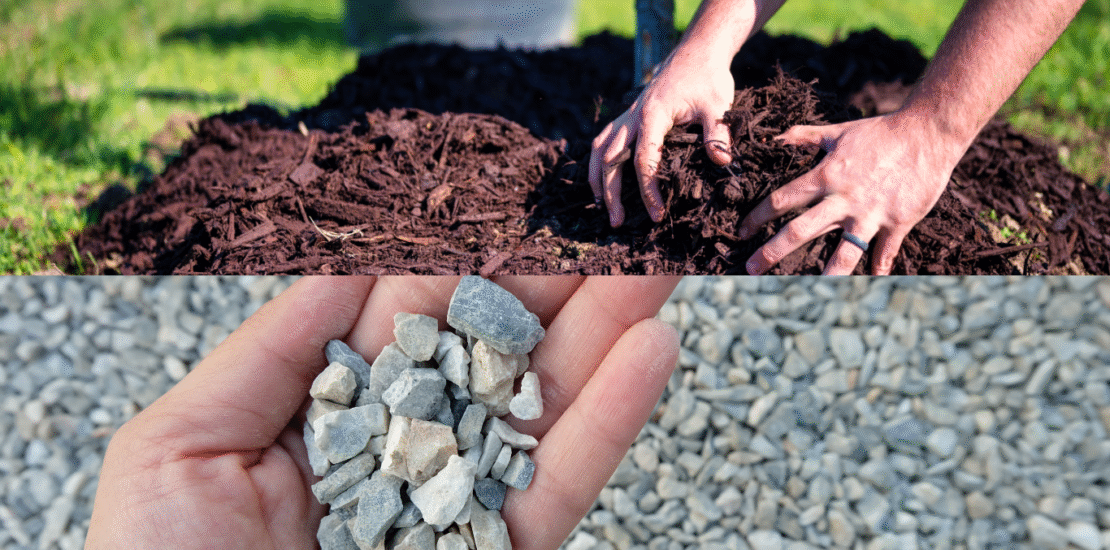
Trying to choose between gravel or mulch for your Arizona landscape? In a climate known for extreme heat, dry conditions, and seasonal monsoons, selecting the right ground cover is more than just a design choice - it's a functional one, too. Here we break down the pros and cons of gravel vs. mulch specifically for Arizona yards, and why combining both might be your best option.
Gravel and Mulch: What Are They?
Gravel is made up of small stones or rocks. It comes in many colors and sizes and is often used in driveways, pathways, and around desert plants. Mulch is made from organic materials like wood chips, bark, or shredded leaves and is spread over soil to help plants grow better and make garden beds look tidy. Each material has benefits and drawbacks - especially in the Phoenix Valley, where the climate is dry and hot.
Landscaping with Gravel in Arizona
Pros of Using Gravel
Durability and Longevity: Gravel is tough. It doesn't break down over time like mulch does, meaning once it's placed, it can last for years with very little change. Low Maintenance: Compared to mulch, gravel requires less frequent replacement - occasional raking is usually enough to maintain a clean look. Excellent Drainage: Gravel lets water drain quickly through the ground, helping to prevent puddles and root rot, which makes it perfect for monsoon season. Fire Safety: Unlike organic mulch, gravel is non-combustible, making it ideal for areas near structures or in fire-prone parts of the Valley.
Cons of Using Gravel
Heat Absorption: Arizona gets hot, and gravel soaks up that heat, which can warm up your yard and hurt nearby plants. Soil Quality: Gravel doesn't add any nutrients to your soil and over time may even compact the soil underneath, making it harder for roots to grow. Weed Issues: Gravel doesn't stop weeds on its own - without a good weed barrier or regular herbicide treatment, unwanted plants can pop through. Higher Initial Costs: Gravel often costs more upfront than mulch, though its durability means fewer replacement expenses over time.
Benefits of Landscaping with Mulch in Arizona
Pros of Using Mulch
Improves Soil Health: Mulch breaks down over time, adding natural nutrients to the soil and helping plants grow strong and healthy. Moisture Retention: In the Arizona desert, water is precious - mulch keeps the soil moist longer, so you don't need to water as often. Temperature Regulation: Mulch acts like a blanket for your soil, helping keep plant roots cool in summer and warm in winter. Weed Suppression: A thick layer of mulch blocks sunlight from reaching weed seeds, stopping many of them from growing.
Cons of Using Mulch
Regular Replacement: Since mulch breaks down, you'll need to add more every 6 to 12 months. Pest Attraction: If mulch is placed too close to your home or used in thick layers, it can attract termites, ants, or other bugs. Fire Risk in Dry Conditions: Dry mulch can become a fire hazard in Arizona's heat - keep it moist and avoid piling it near homes or fire-prone zones.
Why Not Use Both? Benefits of Hybrid Landscaping in Arizona
You don't have to pick just one. Use gravel for walkways, driveways, or decorative borders, and place mulch around trees, shrubs, and flowers to help them grow. A hybrid yard looks great with a mix of textures and colors, helps you save water where plants need it most, and keeps high-use areas clean and weed-free.
How to Choose: Gravel or Mulch?
If low maintenance is your priority, gravel is the better choice. If you want healthy soil and plant growth, go with mulch. For a combination of both benefits, try a hybrid approach. For budget considerations, mulch is cheaper upfront while gravel offers long-term savings. If fire safety is a concern, choose gravel near your home or fire-prone areas. And if you want a greener, cooler yard, mulch helps keep plants happy and the soil cool.
Both gravel and mulch have their place in Arizona landscapes. If you want something long-lasting and fire-safe, gravel is a solid pick. If your main goal is healthy soil and happy plants, mulch is your go-to. Or use both together - that's what many homeowners in the Phoenix Valley are doing today. At Kevens Landscape, we help homeowners all over the Phoenix Valley design and install beautiful, smart landscapes that thrive in Arizona's climate. Contact us today for a free consultation.

Justin leads Kevens Landscape with lifelong industry experience and a commitment to quality.

