
Spring vs. Fall Fertilizing in the Desert: What Phoenix Homeowners Need to Know
Learn the differences between spring and fall fertilizing to maintain a healthy desert landscape.
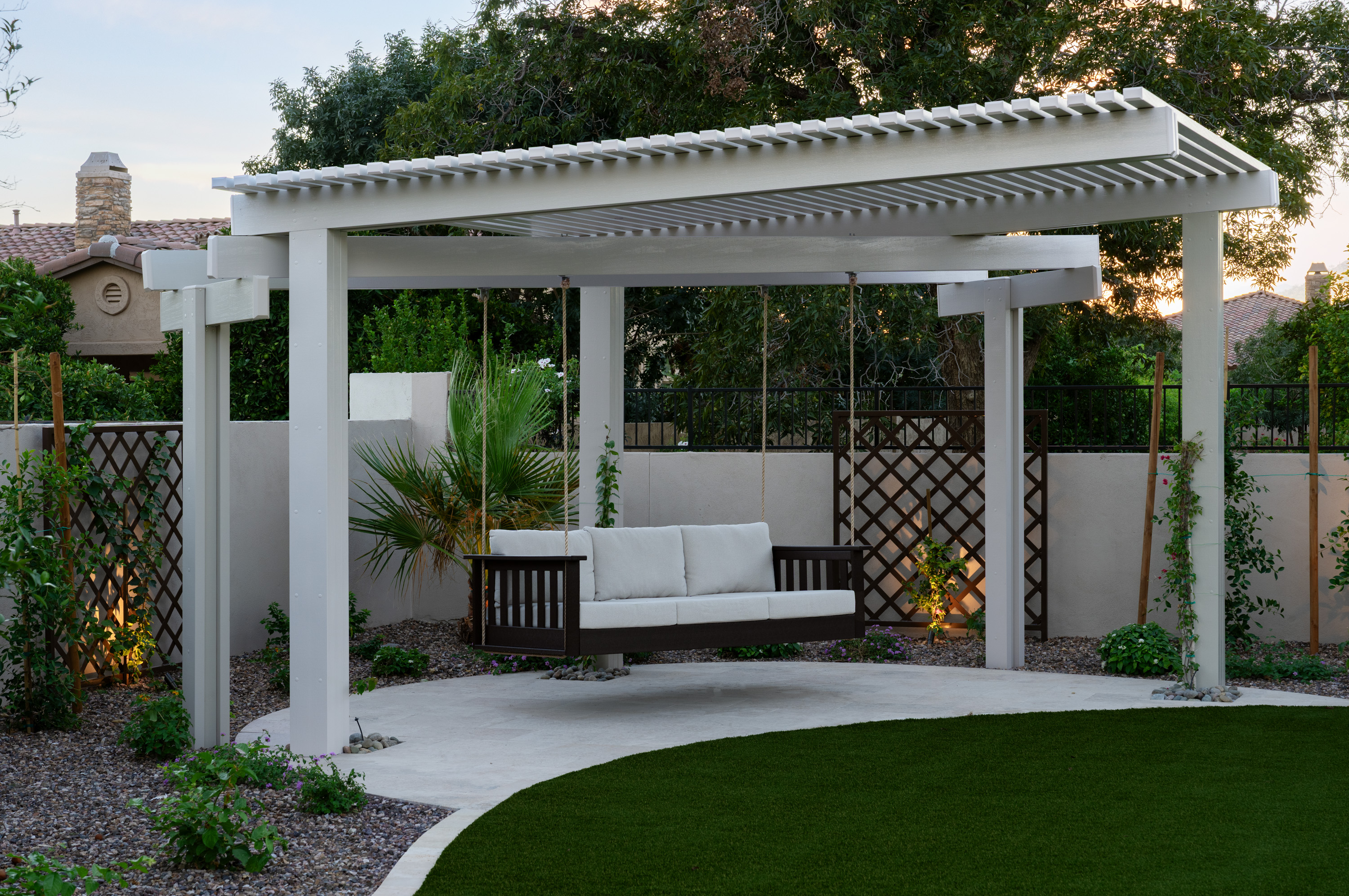
Landscaping in the Phoenix Valley is like caring for a garden in the heart of the desert. With triple-digit summer heat, dry winds, and nutrient-poor soil, even seasoned gardeners face challenges. Knowing when and how to fertilize is essential in this unique desert climate - proper timing and technique can mean the difference between a thriving landscape and one that struggles to survive. At Kevens Landscape, we've spent over 35 years helping homeowners in El Mirage and the greater Phoenix area create and maintain beautiful, heat-tolerant landscapes.
Understanding Fertilization in Phoenix's Desert Climate
Desert soils in Phoenix often lack two critical nutrients: nitrogen and iron. These deficiencies can cause yellowing leaves, weak growth, and reduced flowering. Arizona's desert soil is typically sandy or clay-heavy, both of which are poor at holding nutrients and moisture - combine that with intense sun and low rainfall, and it's even harder for plants to absorb what they need. Fertilizing your landscape helps by replacing missing nutrients in poor soils, promoting healthy root and foliage development, supporting blooms and fruit production, and enhancing drought and heat resistance. Getting a soil test done can help guide your fertilization strategy.
Fertilizing Warm-Season Lawns (Like Bermuda Grass) in Phoenix
Spring Fertilizing (March to May)
As temperatures begin to rise in early spring, Bermuda grass starts to green up - this is your cue to begin fertilizing. Use a nitrogen-rich fertilizer every 6 to 8 weeks to support lush, green growth. This encourages rapid green-up and recovery from winter dormancy, strengthens root systems before summer heat, and boosts density and overall turf health. Choose a slow-release fertilizer to prevent burning and allow nutrients to release gradually.
Summer Fertilizing (June to August)
Avoid fertilizing during the peak of summer. Arizona's extreme heat can stress lawns, and adding fertilizer during this period increases plant stress, the risk of root burn, and potential for dehydration and grass dieback. During this time, focus on proper watering and mowing practices to support your lawn without overloading it with nutrients.
Fall Fertilizing (September to October)
As temperatures begin to drop in the fall, fertilizing helps prepare your Bermuda grass for cooler months and is also an ideal time to overseed with ryegrass. Apply fertilizer every 6-8 weeks through mid-October, tapering off as growth slows. This promotes root development and recovery from summer stress, supports establishment of winter grass, and maintains a green, healthy lawn throughout fall and early winter.

Fertilizing Arizona Trees and Non-Desert Shrubs
Spring Fertilizing
Trees and non-native shrubs benefit from a balanced fertilizer application in early spring to prepare for their most active growing season. This supports leaf and flower production, strong branch and root development, and overall plant vigor and resilience. Use a deep-root feeding method or slow-release stakes to ensure nutrients reach the roots.
Fall Fertilizing
In early fall, another round of fertilization helps trees and shrubs store energy for the winter months, replenishes nutrients lost during summer, encourages root growth in cooler temperatures, and improves spring bud formation and flowering. Avoid fertilizing trees that are going fully dormant in winter, such as deciduous varieties.
Why Fall Fertilization Is Crucial for Desert Plants
Many native and desert-friendly plants use the cooler months to store nutrients in preparation for their next active growth period. Fall fertilization supports long-term root development, helps rebuild from summer heat damage, and provides nutrient reserves for spring. This is especially helpful for flowering perennials and shrubs that bloom early in the year - a fall feeding ensures they're ready to burst with color when spring arrives.
Key Fertilization Mistakes to Avoid
Avoid fertilizing during extreme summer heat, feeding dormant or stressed plants, over-fertilizing (which leads to nutrient burn), and using fast-release fertilizers that can overwhelm the plant. Desert plants thrive with less frequent, well-timed feedings.
Best Practices for Fertilizing in Arizona
Use slow-release fertilizers to avoid nutrient spikes. Water deeply after application to move nutrients to the root zone. Adjust watering schedules with the seasons. Apply fertilizers in the morning or evening to avoid heat stress. Correct deficiencies like nitrogen and iron with targeted products. You can also use compost or organic fertilizers to boost soil structure while feeding your plants.
Kevens Landscape has been serving Phoenix and the surrounding areas - including El Mirage, Scottsdale, Goodyear, Surprise, Peoria, and Glendale - for over 35 years. Our team offers fertilization and lawn care, tree and shrub health management, irrigation system installation and repair, landscape lighting design, landscape design and 3D planning, and ongoing landscape maintenance. Visit Kevens Landscape or call us today to request a quote. Let us help you grow a healthier, more beautiful landscape - season after season.

Justin leads Kevens Landscape with lifelong industry experience and a commitment to quality.

